
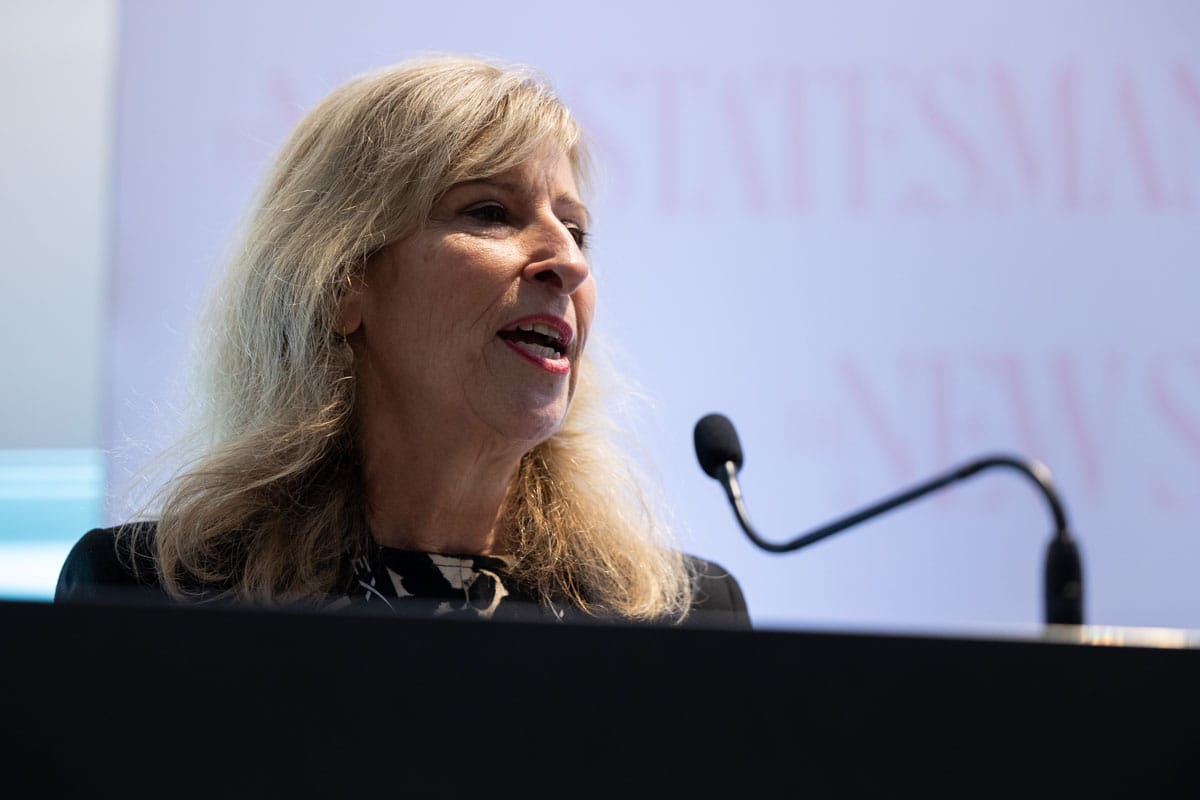
Liverpool was red this week with the Labour Party Conference sweeping into town. Once again, UKspace led a delegation of space industry representatives and hosted two very successful fringe events alongside New Statesman, featuring leaders from government, defence and industry.
In the first fringe event, on Monday 28 September, asking how the can UK build a resilient and globally competitive space sector, the overarching message was recognising that while the UK’s space industry has incredible innovation, turning this into sustainable growth is the next step.
This will be achieved by backing SMEs and high-growth businesses with the potential to scale. The other side to ensuring a thriving space sector is Government support. As both a major customer and convening power, Government has a vital role in procurement, investment and creating the conditions for growth.
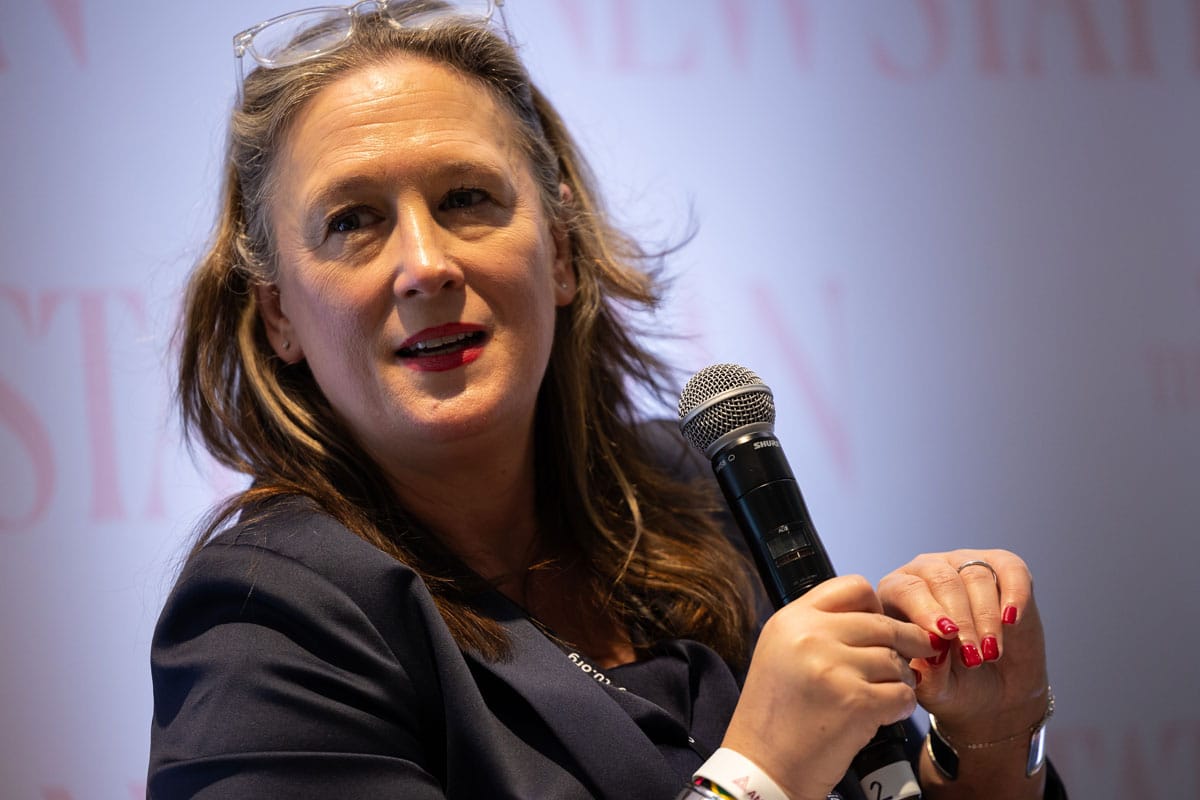
The session – featuring Emily Darlington MP, Simone Hartless, Rajesh Agrawal, Kevin Bonavia MP and Neil Monteiro – also covered how space is essential to everyday life on Earth, underpinning everything from communications and navigation to security, climate monitoring and economic growth. Additionally, panellists identified regulation as an area for the UK to gain a competitive advantage, while skills, supply chains and policy alignment need attention.
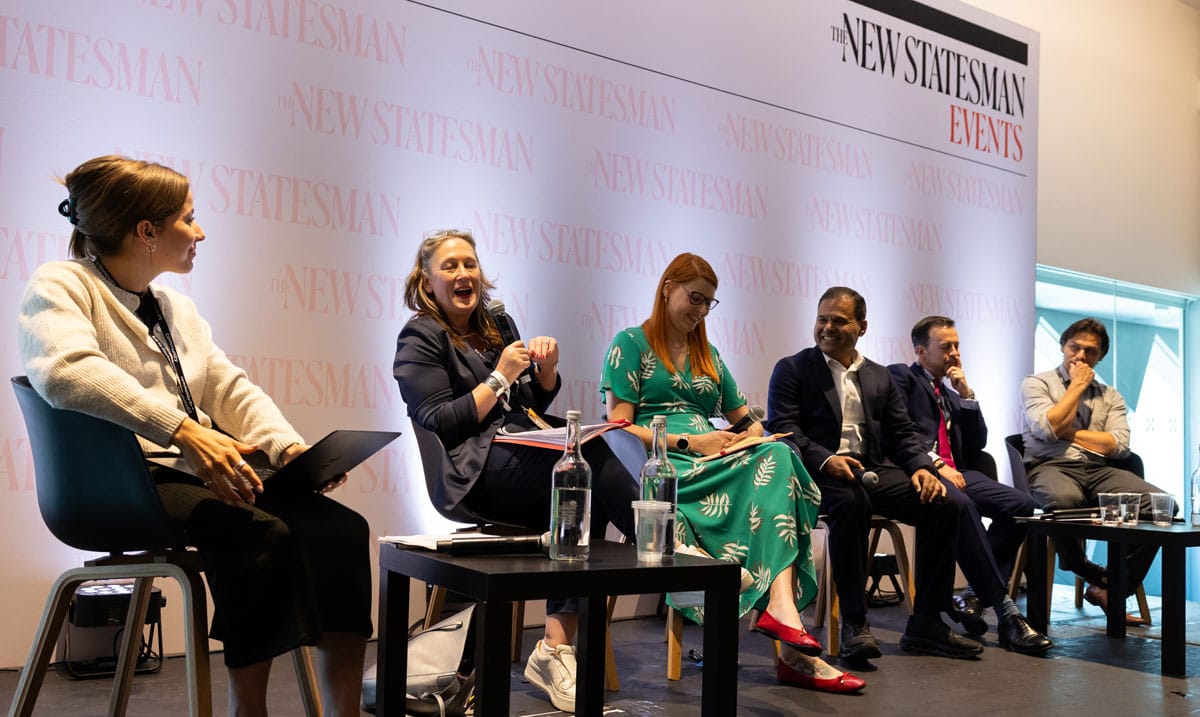
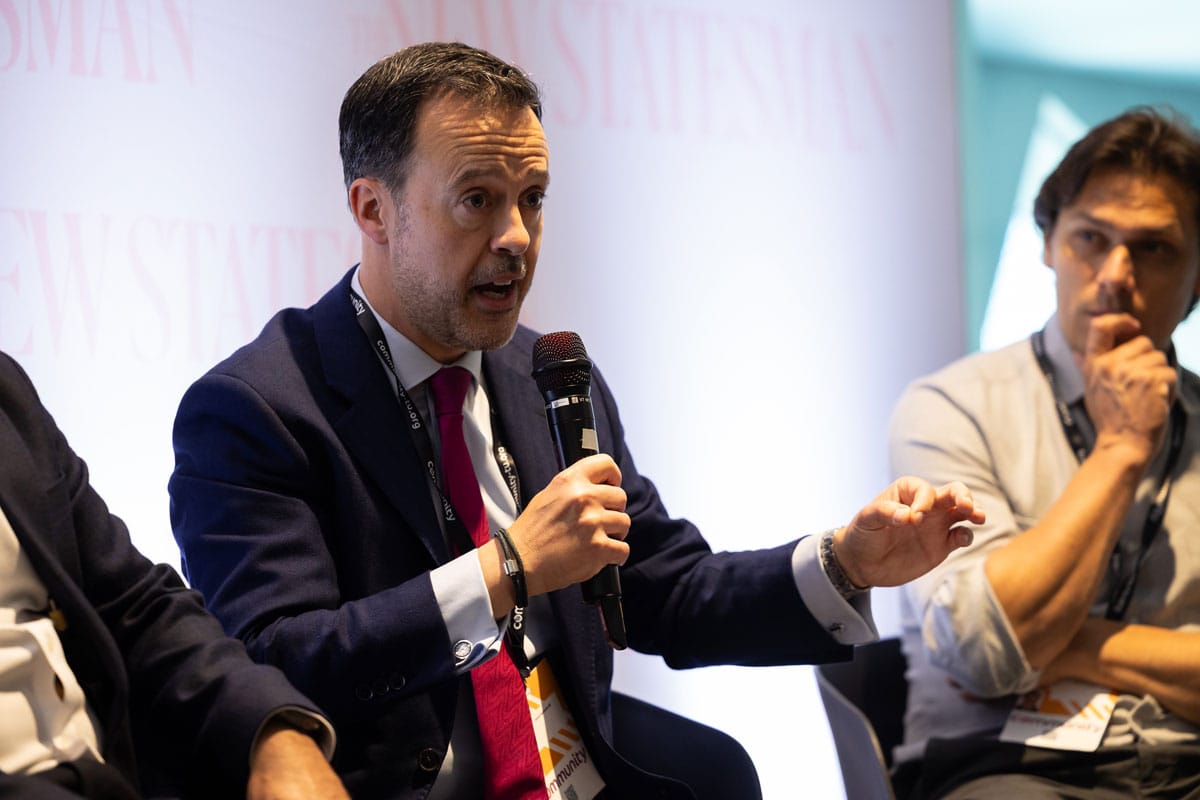
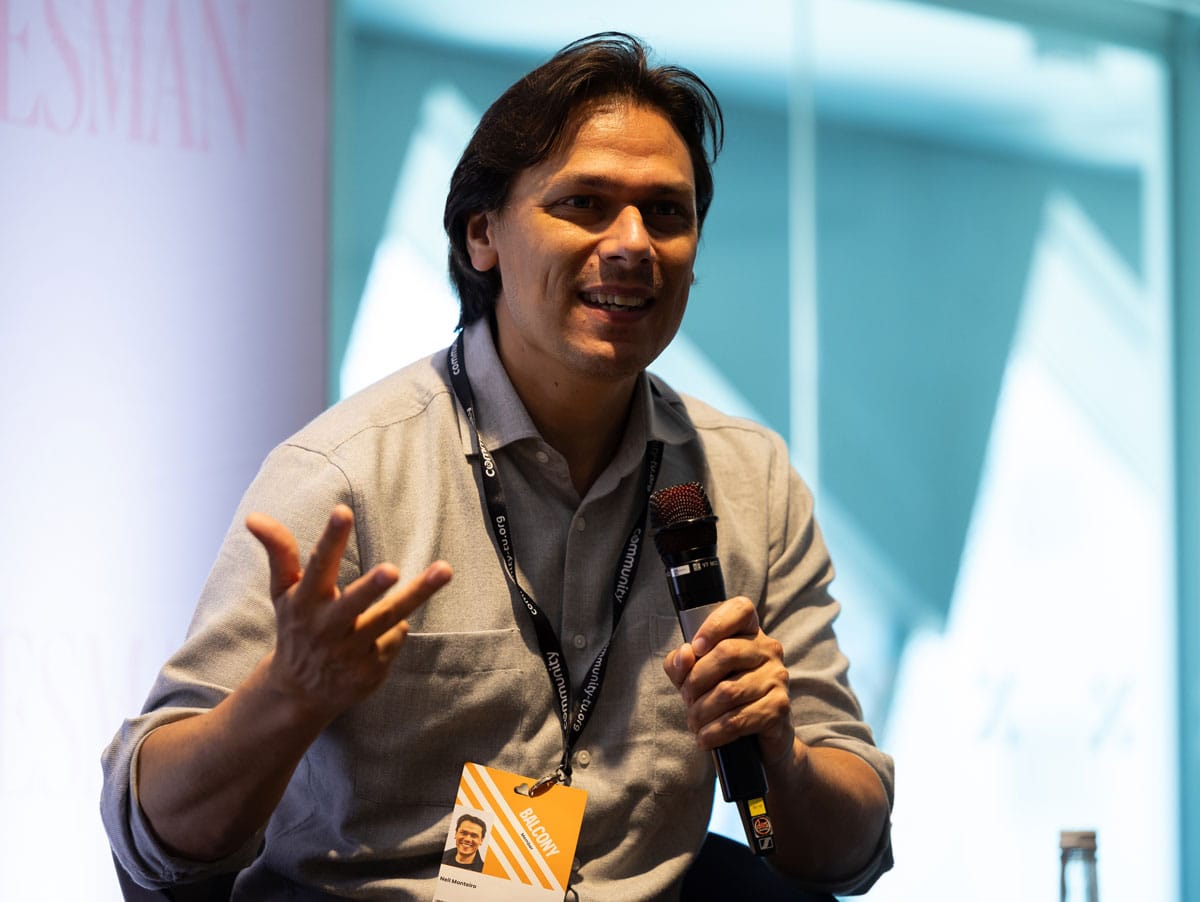
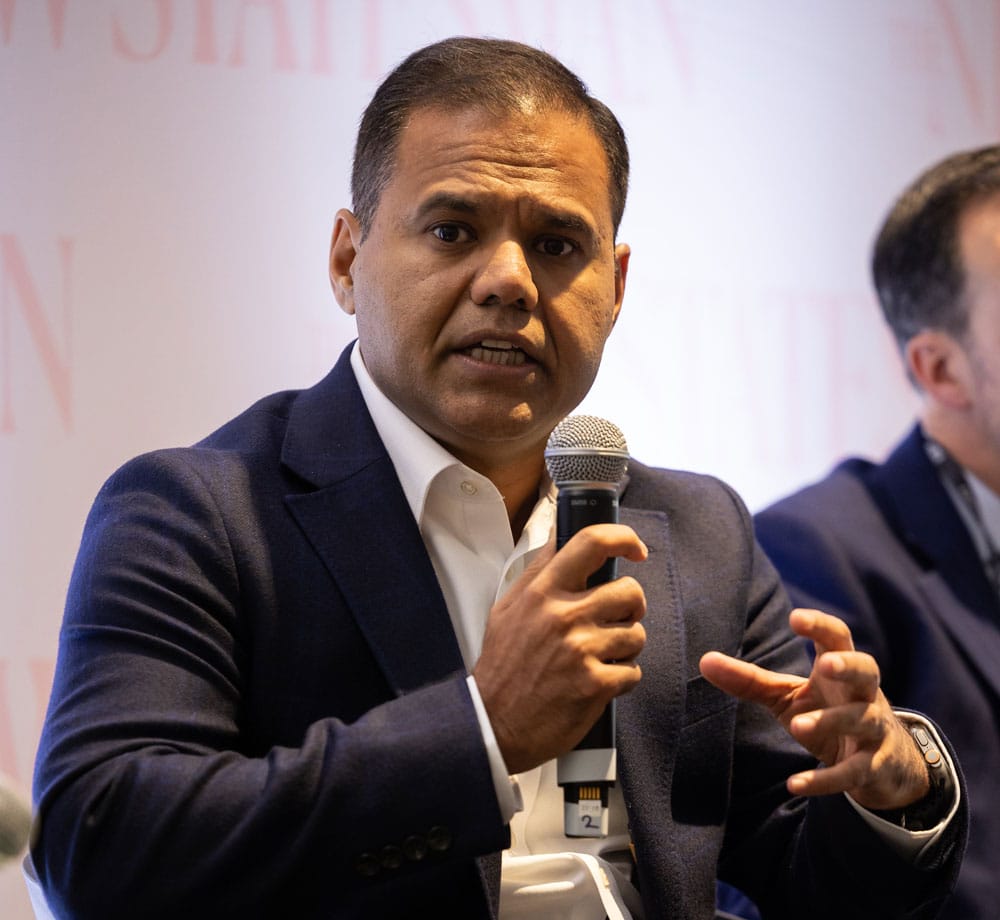
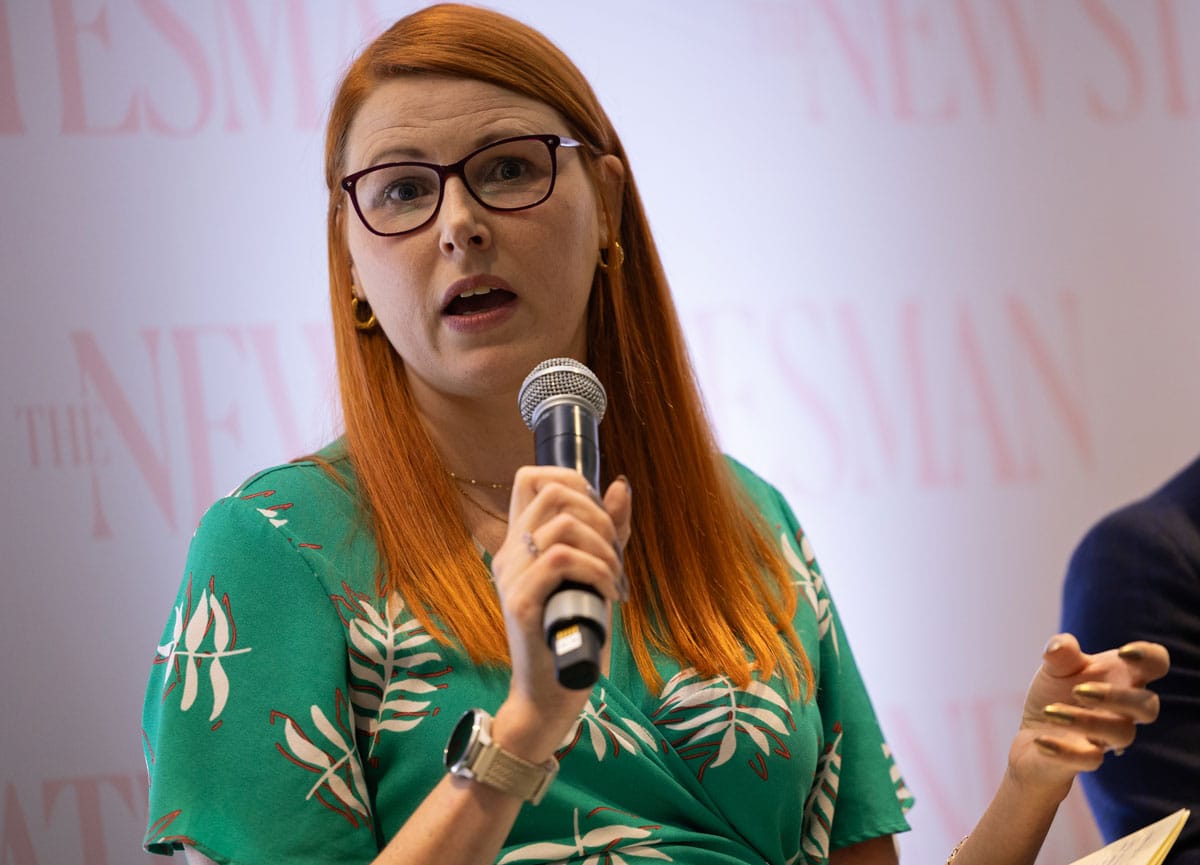
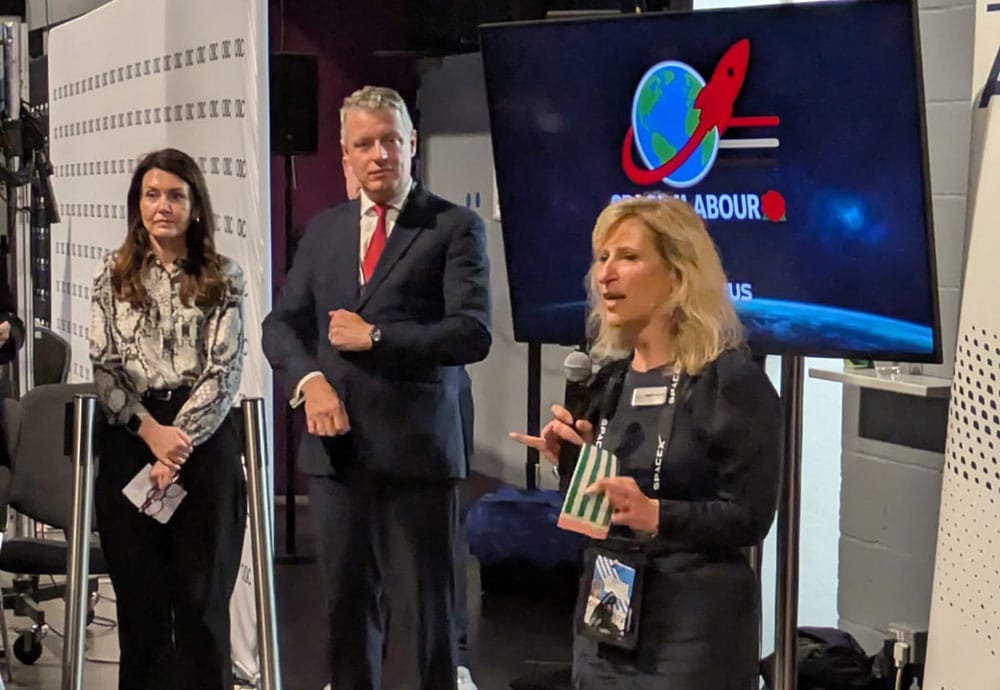
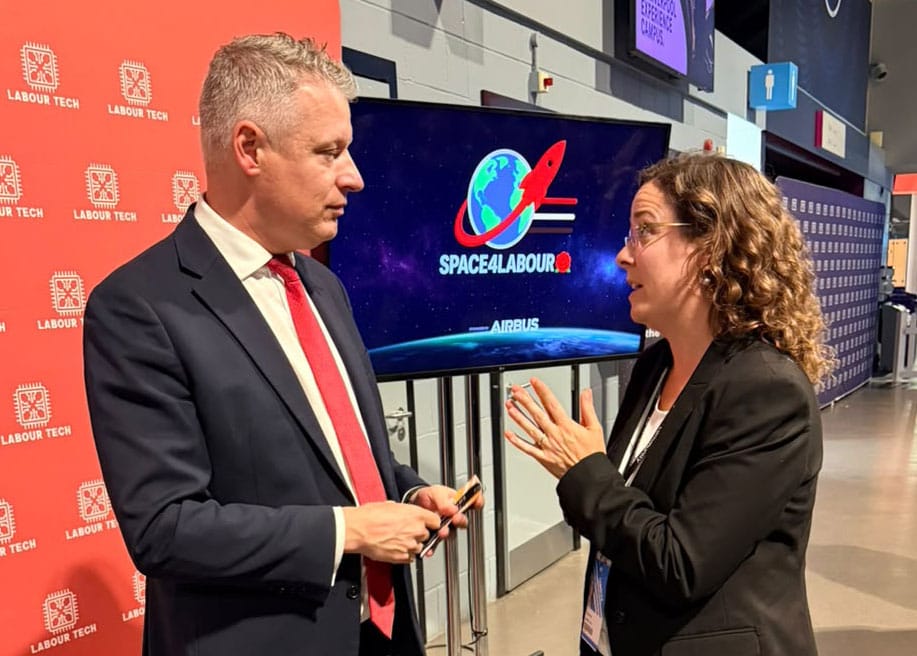
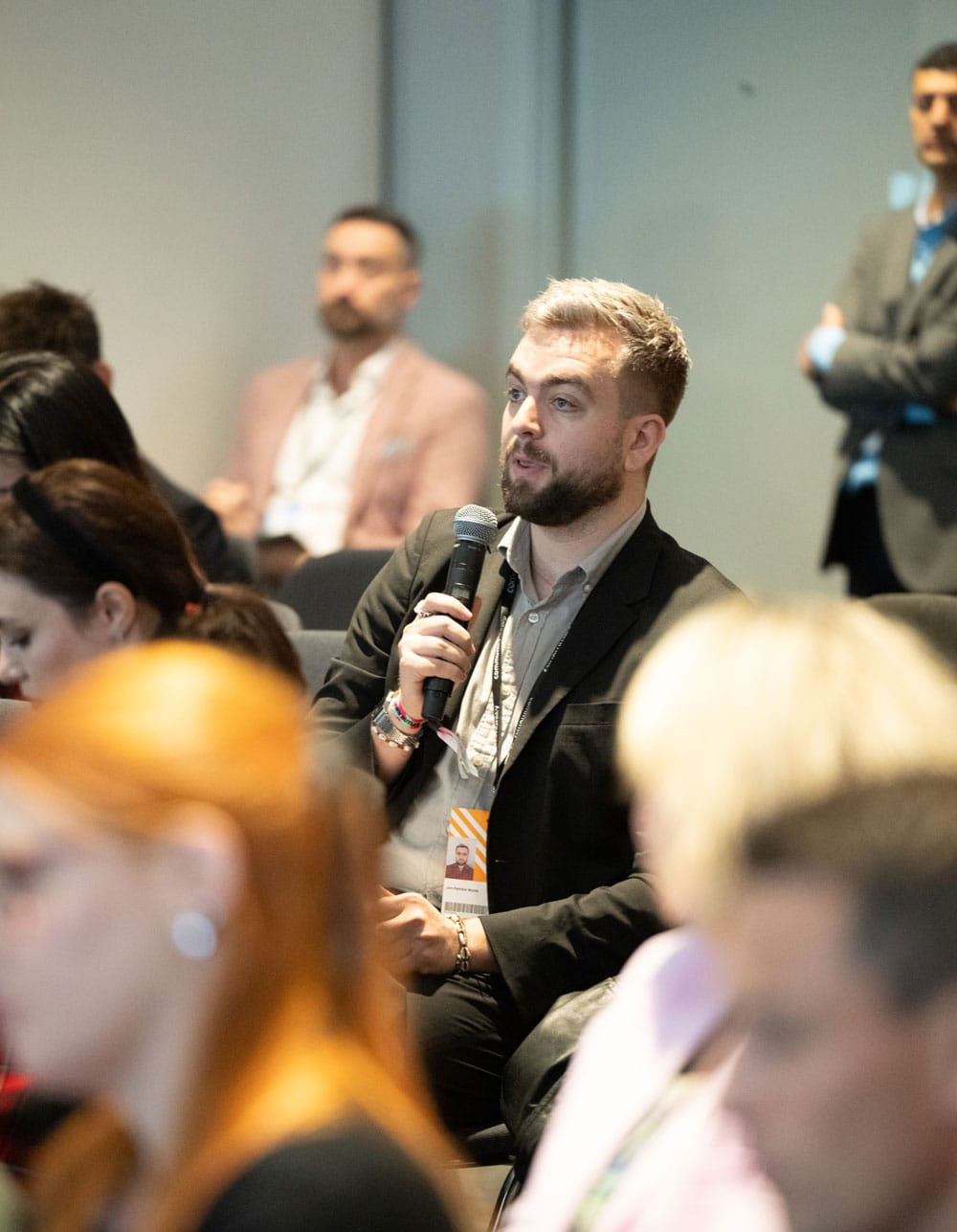
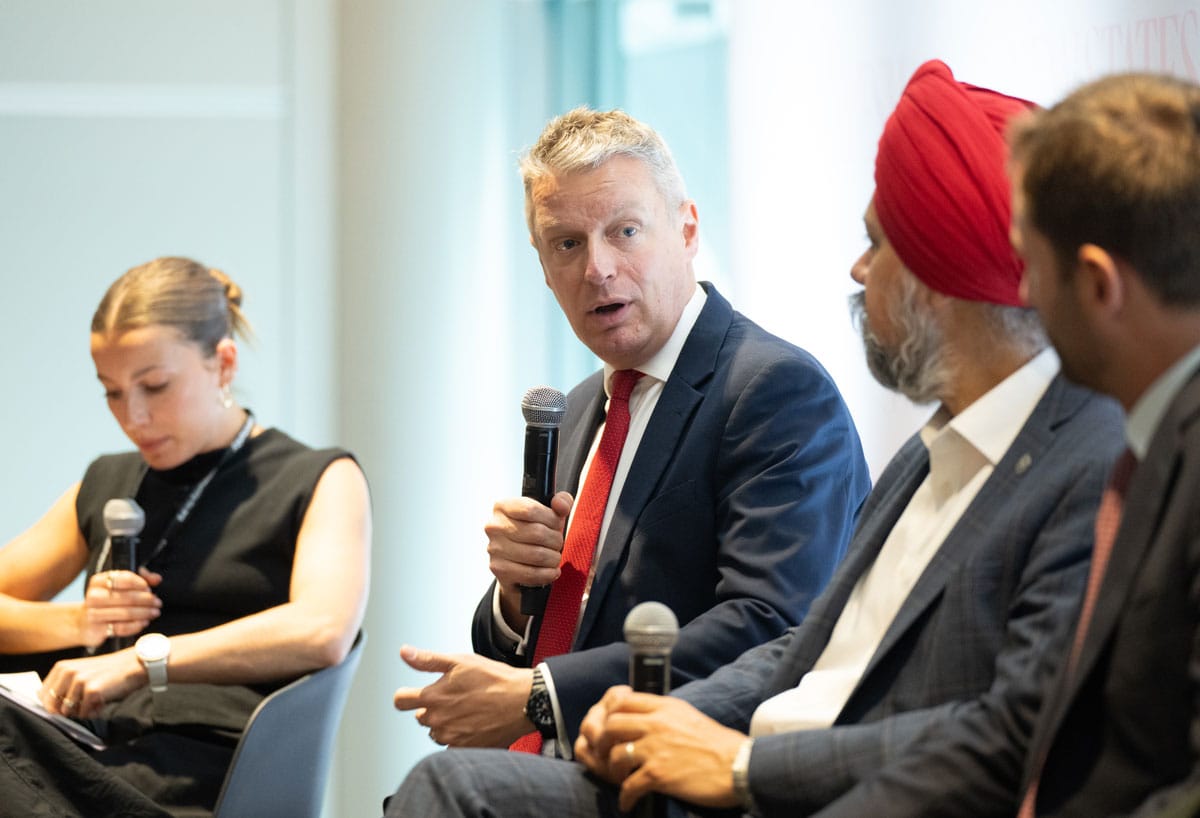
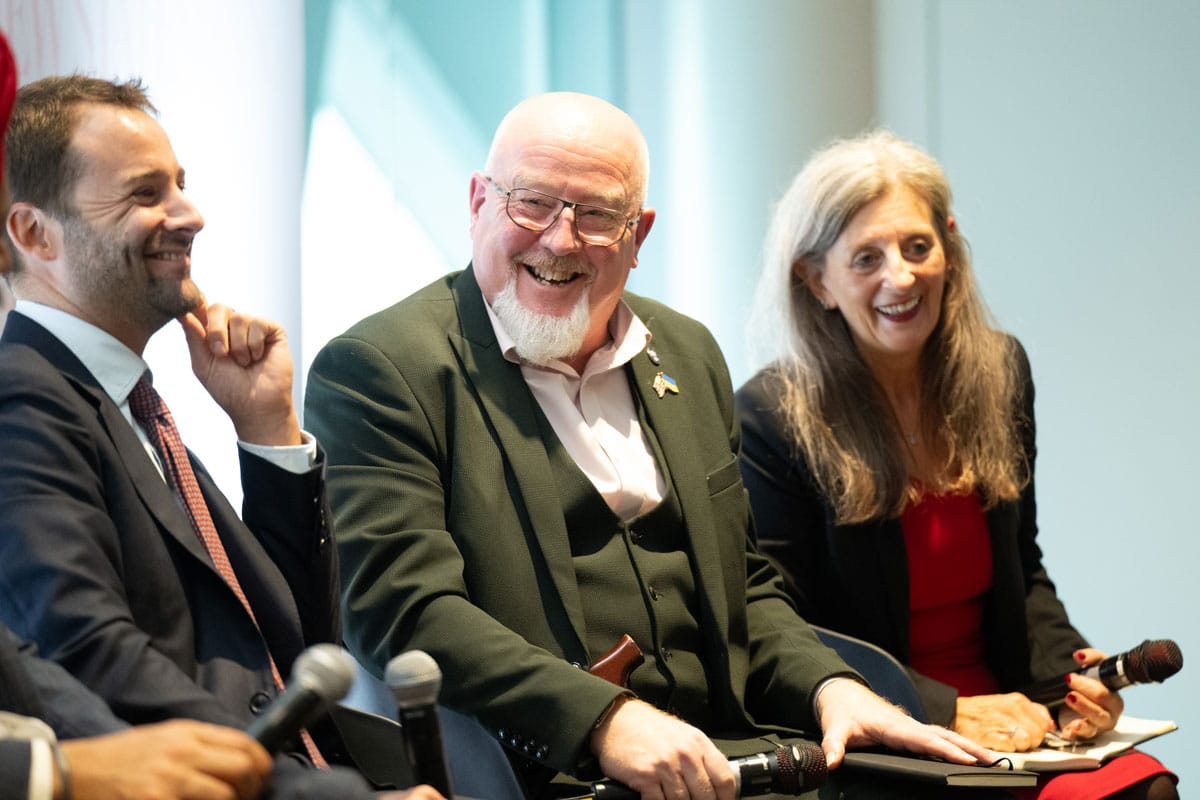
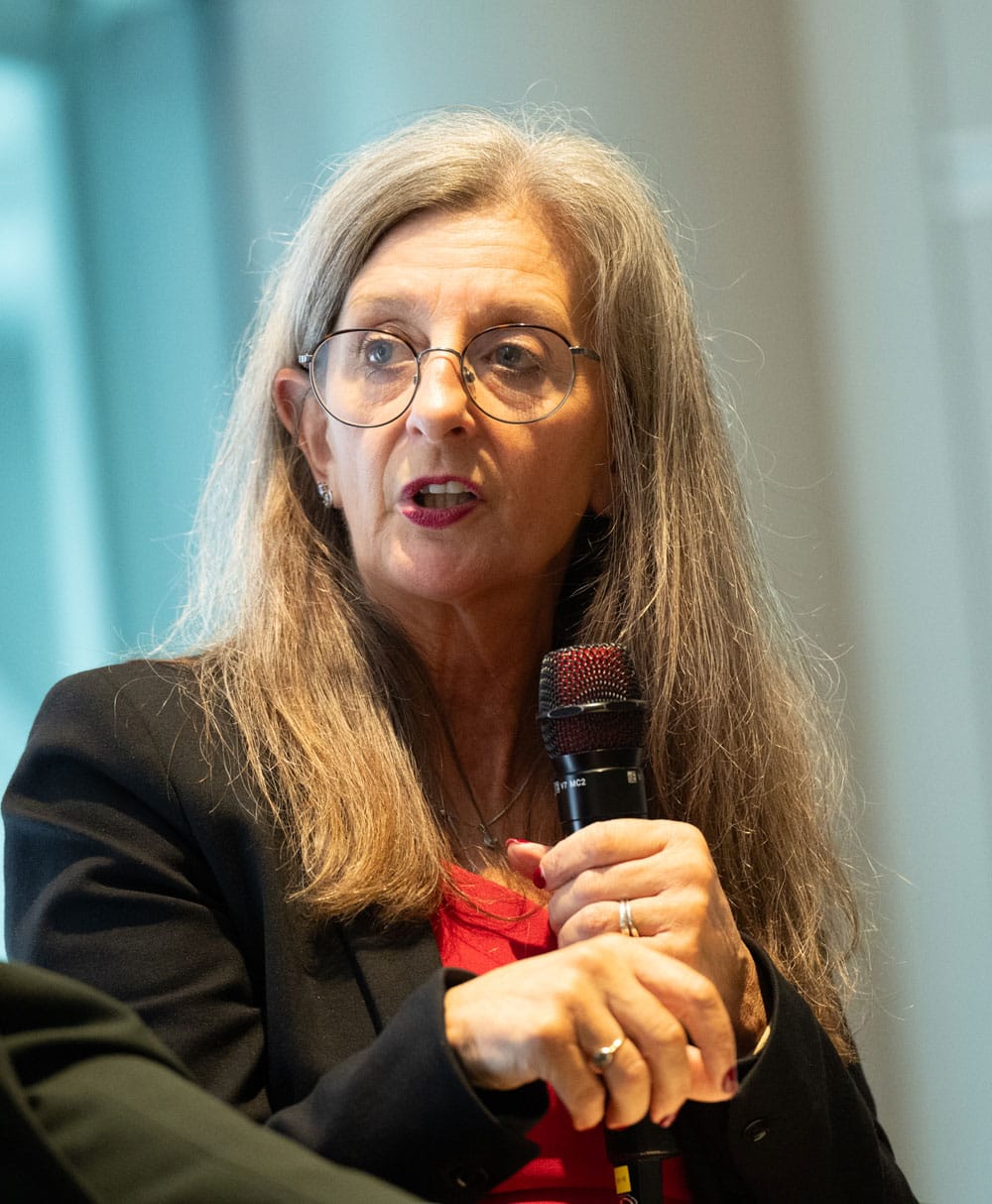
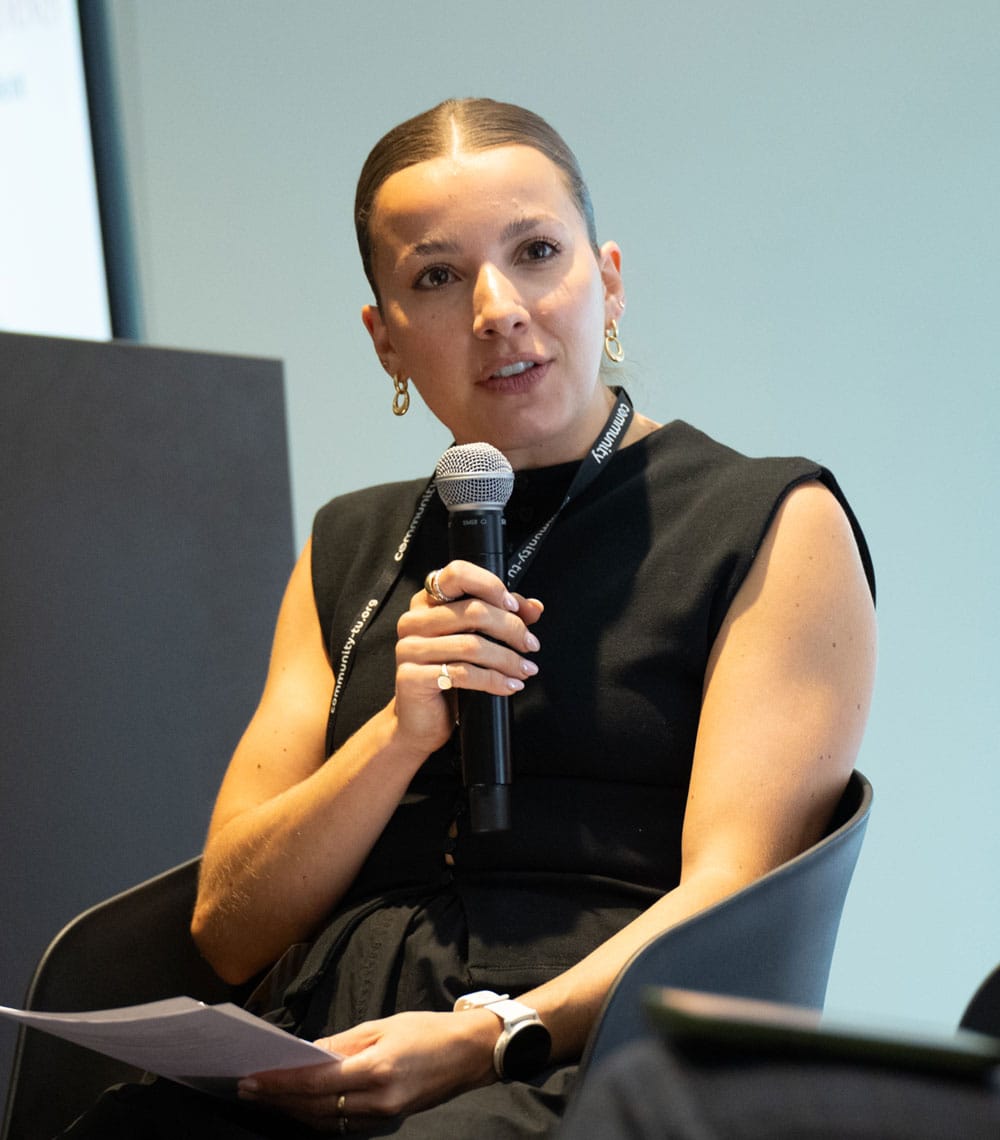
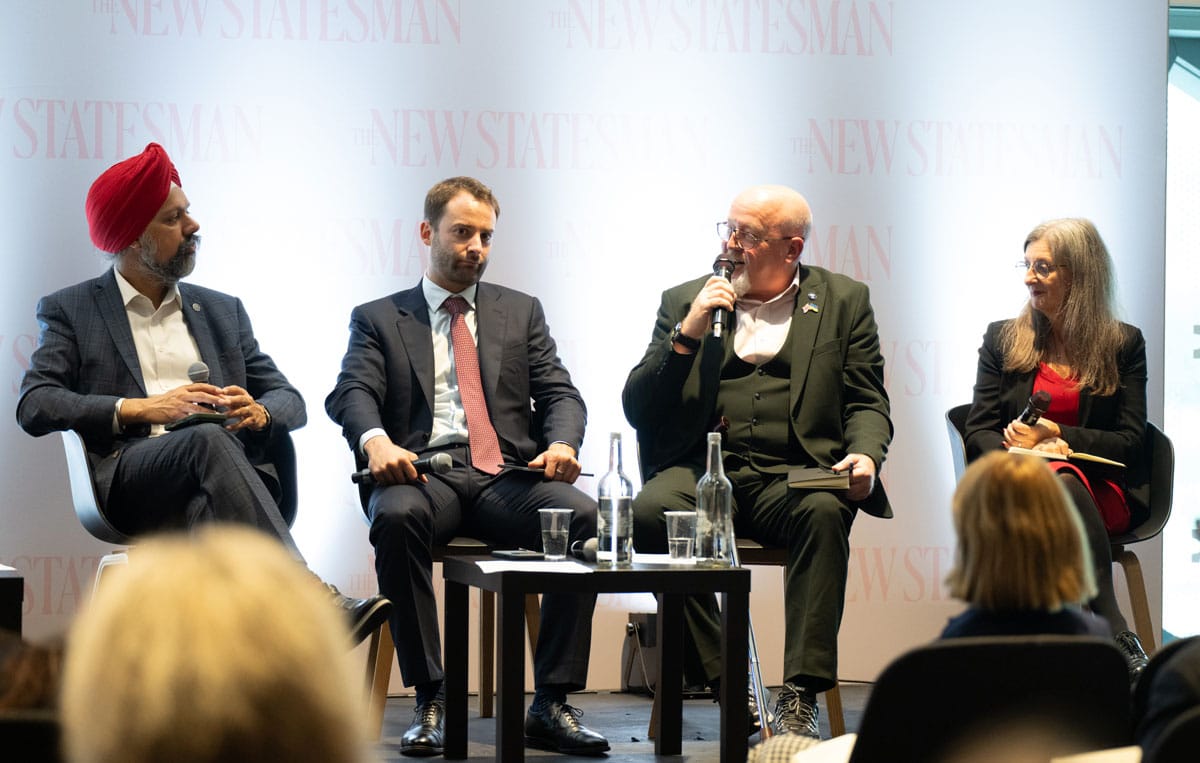
During the second fringe event, on Tuesday 29 September – about how the UK can become a competitive and resilient space power – there was recognition that ‘control of space’ is about far more than operating satellites; it means being able to operate freely in space, understanding who and what is around us, and ultimately bodyguarding (protect) the assets on which our economy, security and critical infrastructure increasingly depend.
The panellists – Luke Pollard MP, Tan Dhesi MP, Marco Rocchetto, Ralph “Dinz” Dinsley and Sharon Parker-Lines – also acknowledged that the UK has significant catching up to do. Resilience was a recurring theme – not just looking upwards at satellites, but also looking right down the supply chain. If space is to drive economic growth, we must ensure the entire ecosystem is resilient.
A key point was that while future investment in space is likely to increase, the challenge will be to think differently, move more quickly and build more agile partnerships between government, industry and investors.
Panellists also addressed diversity and talent, reiterating that creating a thriving space sector means engaging children and young people early, and demonstrating that careers in space are accessible through many different pathways.
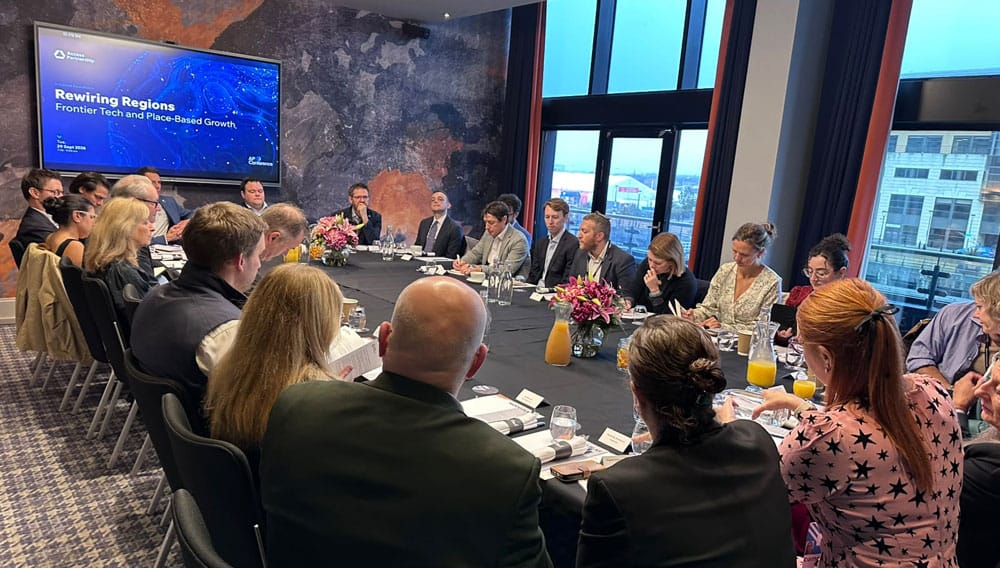
Aside from the fringe meetings, we co-hosted two roundtables with Access Partnership. ‘Britain’s Space Economy: Building Momentum for the UK Ecosystem’ featured Dame Chi Onwurah MP (Chair of the House of Commons Science, Innovation and Technology Committee), while the second was with Chris McDonald MP, Minister of State for Science, Innovation and Investment, about ‘Rewiring Regions: Frontier Tech and Place-Based Growth’.
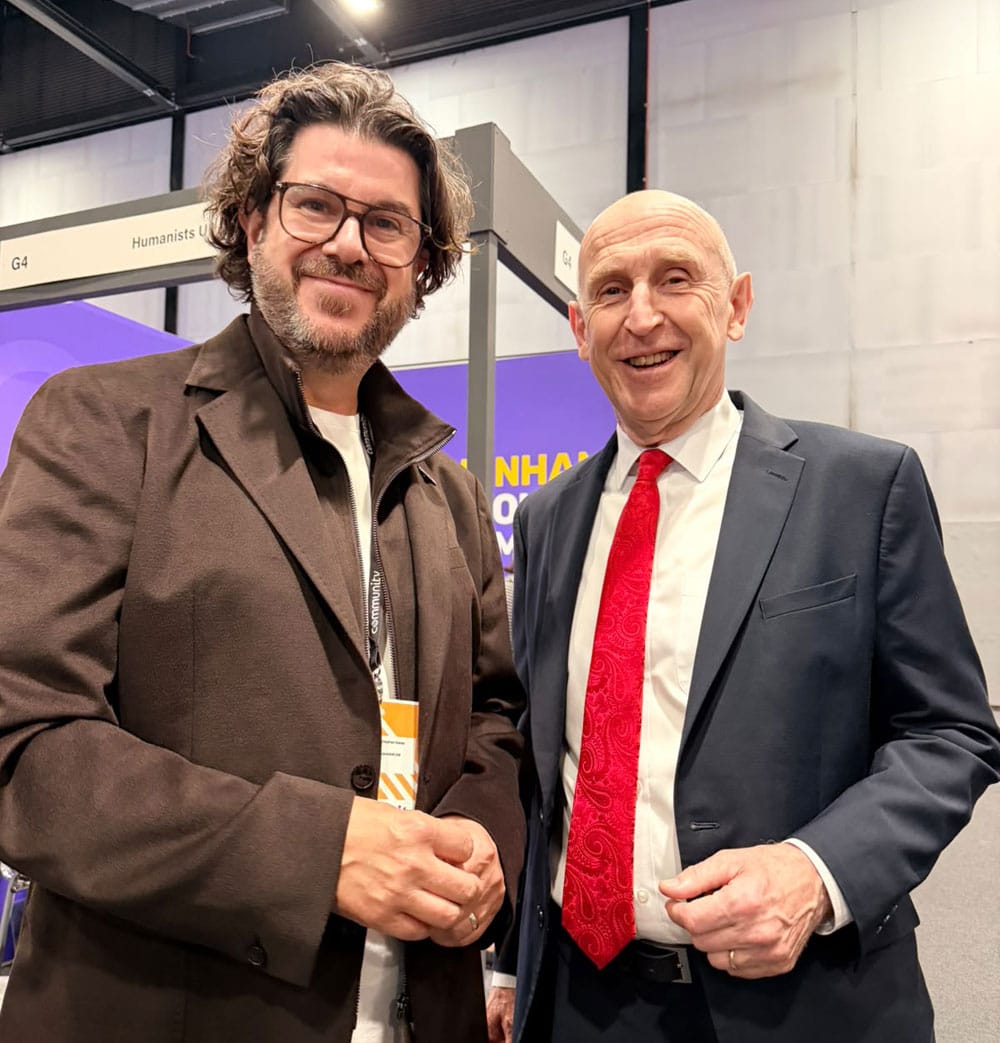
SpaceAM CEO, Chris Isaac, had the opportunity to brief the Chancellor, John Healey, while delegates also heard directly from Wes Streeting (Defence Secretary) and Jonathan Reynolds (Secretary of State for Business, Innovation, Science and Trade) during other briefings.